
Back pain

Another surprising consequence of poor posture, lower back pain comes about when we consistently slouch or have improper alignment. This places excessive stress on the muscles and structures of the lower back. This strain can cause muscle imbalances, spinal misalignment, and increased pressure on the lumbar spine. Over time, these factors contribute to chronic lower back pain. Maintaining a neutral spine can reduce the burden on the lower back and lessen the risk of developing pain and discomfort associated with poor posture.
According to the American Association of Neurological Surgeons, 75 to 85 percent of Americans experience back pain in their lifetime. Of those, 50 percent have more than one episode within a year.
In 90 percent of all cases, the pain gets better without surgery. Talk with a doctor if you’re experiencing back pain.
Firm Pillow Support Is Crucial for Spine Problems
For those with spinal disorders, the right type of pillow support can be especially important in helping the spine rest comfortably.
Spinal Misalignment
Spinal misalignment is a notable consequence of bad posture, which can cause deviations in the natural curvature of the spine. This misalignment can result in postural abnormalities, such as rounded shoulders or excessive curvature of the upper back (kyphosis). Over time, spinal misalignment can cause discomfort, limited mobility, and an increased risk of developing conditions like scoliosis.Sufficient and restorative sleep are the body's chance to heal itself from the postural, physical, and nervous challenges of the day.
Pillow fillings vary in their level of support. Most down or feather pillows offer little structural support compared with pillows filled with firmer materials.
The orthopaedic pillow was found the best for spinal alignment and the feather pillow fared worst. Firm and extra firm Pillows serve to keep the upper body in alignment during sleep, relieving pressure and counterbalancing the points in the body. The pillow should adjust to fit one's unique shape, curves, and sleeping position and alleviate any pressure points.
More health related problems wooden pillow solves
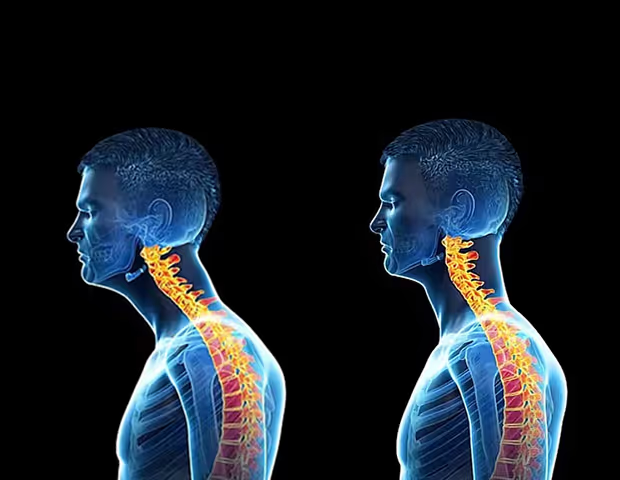
Phone neck syndrome
Phone Neck Syndrome develops when the cervical spine is held in a forward-flexed position for hours every day. The result is progressive structural damage — and it continues at night if what you sleep on does not restore the natural curve.
.avif)
Poor posture
Poor posture goes beyond aesthetics and can have surprising and often overlooked consequences that significantly affect our health. From headaches, neck and lower back pain to shoulder pain and digestive problems, the effects of poor posture permeate various systems within our bodies.

Headache
Headache pain results from signals interacting among your brain, blood vessels and surrounding nerves. During a headache, multiple mechanisms activate specific nerves that affect muscles and blood vessels. These nerves send pain signals to your brain, causing a headache.
Want to see howwe help people?
Free resources, from the heart

& get a free webinar now!