
Depression

Insomnia is a common symptom of depression and anxiety. There’s also a two-way relationship between sleep disorders and depression. About 90 percent Trusted Source of people with depression have sleep complaints such as insomnia, hypersomnia, sleep disordered breathing, or restless leg syndrome.
Dr. Scott Glassman, PsyD, is a licensed psychologist in Pennsylvania and the Director of the Master of Applied Positive Psychology Program at Philadelphia College of Osteopathic Medicine.
Glassman, who was not affiliated with the study, said the recent findings speak to the myriad ways in which lifestyle behaviors can affect mental health and the simple ways people can address them.
“The study’s findings also encourage clinicians to take a more holistic and multi-pronged approach to supporting their clients’ daily self-care routines. It is especially significant that healthy lifestyles seem to provide a kind of buffer for those with a high genetic risk for depression,” he said.
How lifestyle behavior can affect depression risks. “We discovered that having a healthy lifestyle reduced the risk of depression by 57%. Changing our behavior and developing a healthy lifestyle is something that we can do for ourselves to lower the risk of depression,” Dr. Barbara J. Sahakian, Professor of Clinical Neuropsychology at the University of Cambridge Department of Psychiatry and lead study author, told https://www.healthline.com
What new research suggests about healthy habits lowering depression risk In a new study Trusted Source published this week in the journal, Nature Mental Health, researchers from the University of Cambridge and Fudan University, identified seven healthy lifestyle factors that are protective against depression.
The seven factors investigated were:
- smoking
- diet
- exercise level
- healthy sleep
- sedentary behaviour
- social connectedness
- alcohol consumption
Of the seven lifestyle factors observed, healthy sleep had the greatest impact on depression risk, decreasing it by 22%.
Clarifying the role of sleep in depression: Read more
More health related problems wooden pillow solves
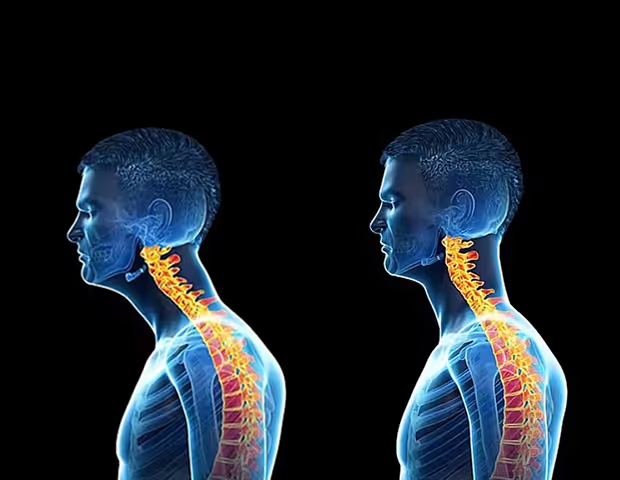
Phone neck syndrome
Phone Neck Syndrome develops when the cervical spine is held in a forward-flexed position for hours every day. The result is progressive structural damage — and it continues at night if what you sleep on does not restore the natural curve.
.avif)
Poor posture
Poor posture goes beyond aesthetics and can have surprising and often overlooked consequences that significantly affect our health. From headaches, neck and lower back pain to shoulder pain and digestive problems, the effects of poor posture permeate various systems within our bodies.

Headache
Headache pain results from signals interacting among your brain, blood vessels and surrounding nerves. During a headache, multiple mechanisms activate specific nerves that affect muscles and blood vessels. These nerves send pain signals to your brain, causing a headache.
Want to see howwe help people?
Free resources, from the heart

& get a free webinar now!