
What’s this for?
This is What's Keeping You Awake.
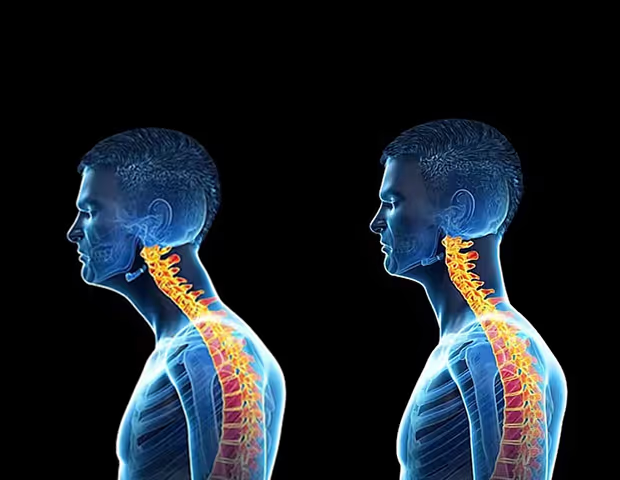
Phone neck syndrome
Phone Neck Syndrome develops when the cervical spine is held in a forward-flexed position for hours every day. The result is progressive structural damage — and it continues at night if what you sleep on does not restore the natural curve.

Stress
Stress is a biological response to a perceived threat. It’s caused by chemicals and hormones surging throughout your body. Stress can help you respond to a particular problem, but too much of it can harm your health.

Depression
Insomnia is a common symptom of depression and anxiety. There’s also a two-way relationship between sleep disorders and depression. About 90 percent Trusted Source of people with depression have sleep complaints such as insomnia, hypersomnia, sleep disordered breathing, or restless leg syndrome.
.avif)
Anxiety
Anxiety is a typical human reaction to stress. But too much anxiety can interfere with living a healthy, happy life. According to Mental Health America, nearly two-thirds of Americans state that stress causes them to lose sleep.Stress and anxiety often go hand in hand.
Investment in your wellness
Your body has been waiting long enough.
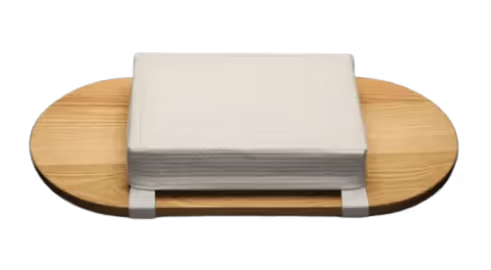
The Neck Pain & Sleep Reset Kit™ — designed and tested across diverse body types and sleep positions.
90-Night Adaptation Guarantee · Lifetime Warranty · Ships Worldwide · EU-Registered
Want to see howwe help people?
Free resources, from the heart

& get a free webinar now!

Only 200 kits available this month due to handcrafted production
Join Unusually Usual followers & get a free webinar now!
Free resources, from the heart